Bike Test – Harley-Davidson Softail range
General Information · 03-12-2025
There’s something about rolling into a coastal town like Kiama, NSW, on a Harley that feels perfectly in tune with the moment. The rolling green hills spill down to the sea, the breeze carries the salt of the Pacific and the streets are just wide enough for a line of Milwaukee iron to make a statement. This year isn’t about revolution but refinement.
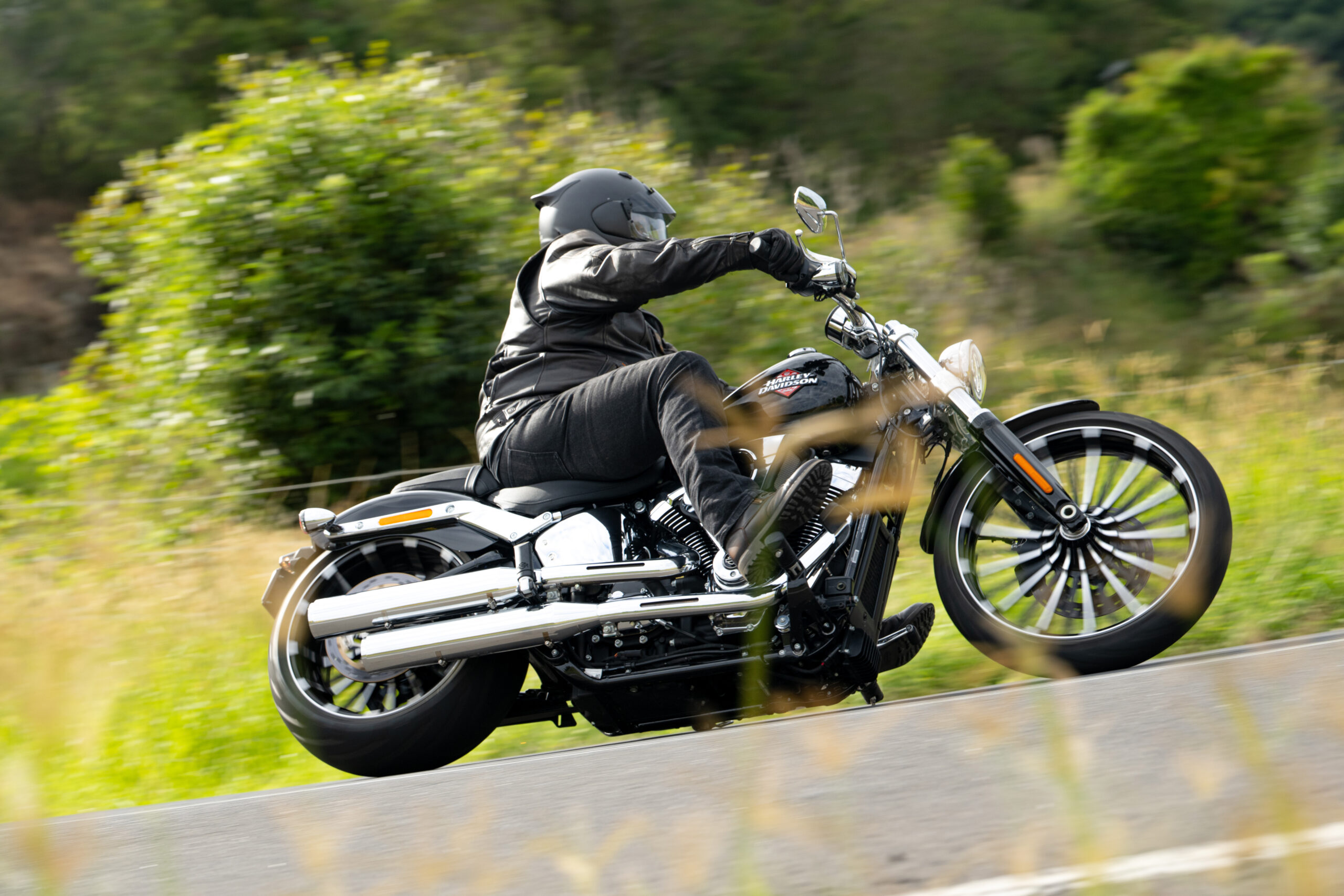
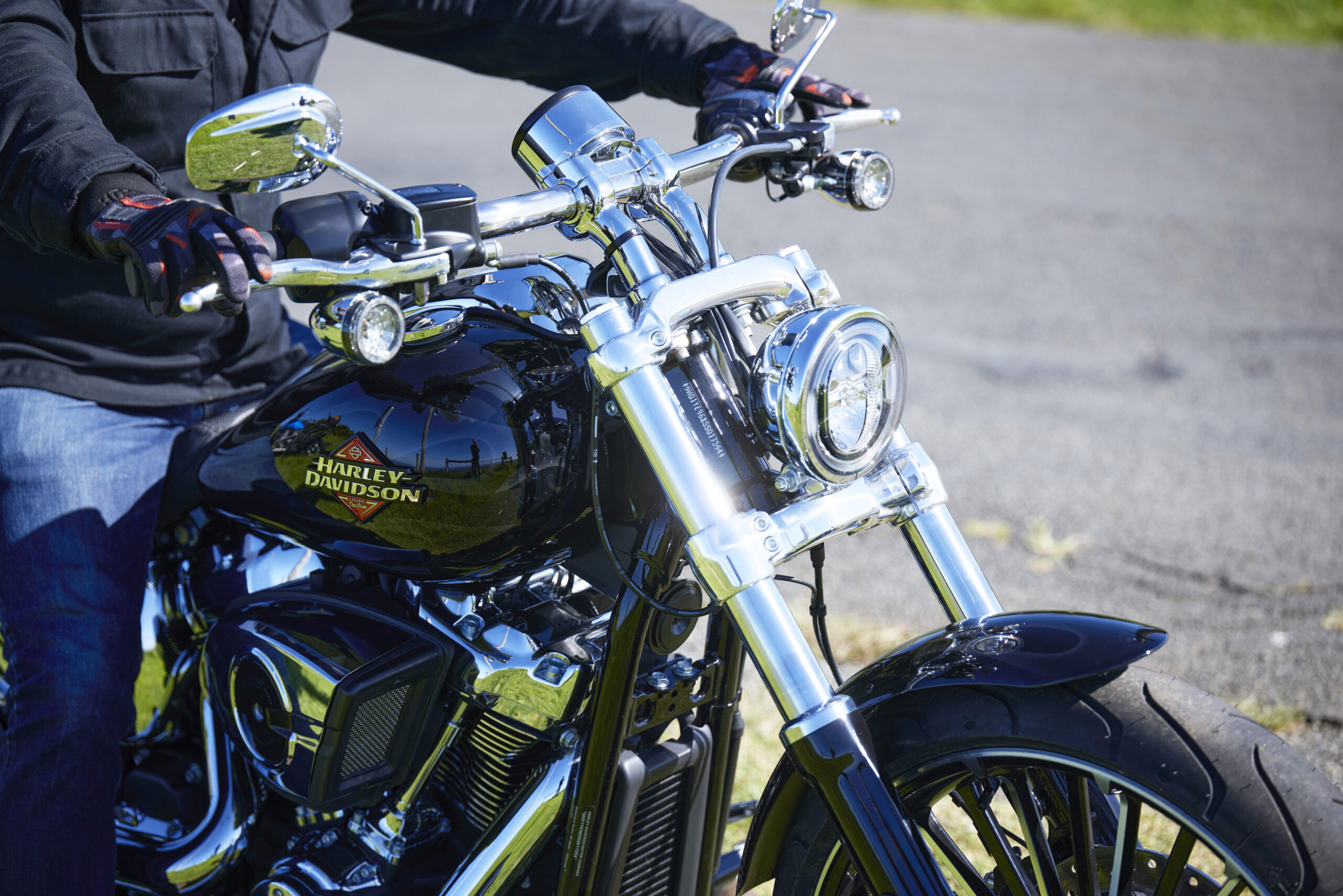
We kicked off with the Breakout, the long, low, muscle-bound cruiser that’s been Harley’s head-turner for years. The stretched front-end, drag ’bars and fat 240mm rear hoop make no attempt at subtlety, it’s built to dominate the boulevard.
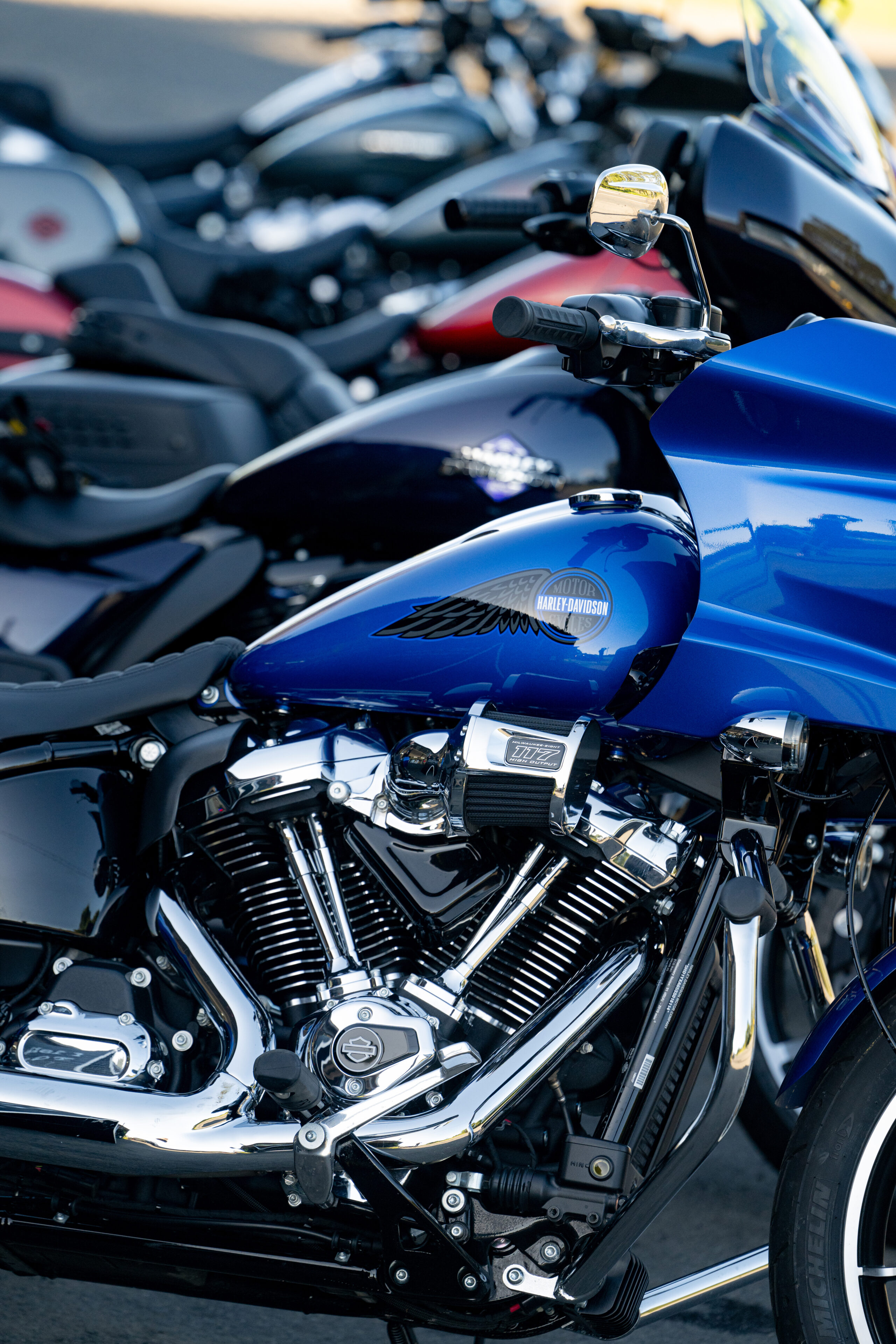
The big change sits between your legs: the Milwaukee-Eight 117 Custom. Output is now 104 hp and 126lb-ft of torque, an 11 per cent lift in power and six per cent more twist over last year’s 114. The Heavy Breather intake and twin 2-into-2 exhausts make it sound every bit as mean as it looks. The torque hits low and hard, and you feel the bike surge forward with every crack of the throttle.
Straight-line cruising is effortless, the forward controls stretch you into a comfortable position, and the seat puts you ‘ in’ the bike rather than on it. But once the road started to curl around Kiama’s escarpment, the reality of its ground clearance made itself known.
Scraping ’pegs and pipes became part of the soundtrack. The Breakout doesn’t want to be hustled it wants to be admired, flexed and shown off. For the straight and narrow, it nails its brief. For backroad carving, less so.
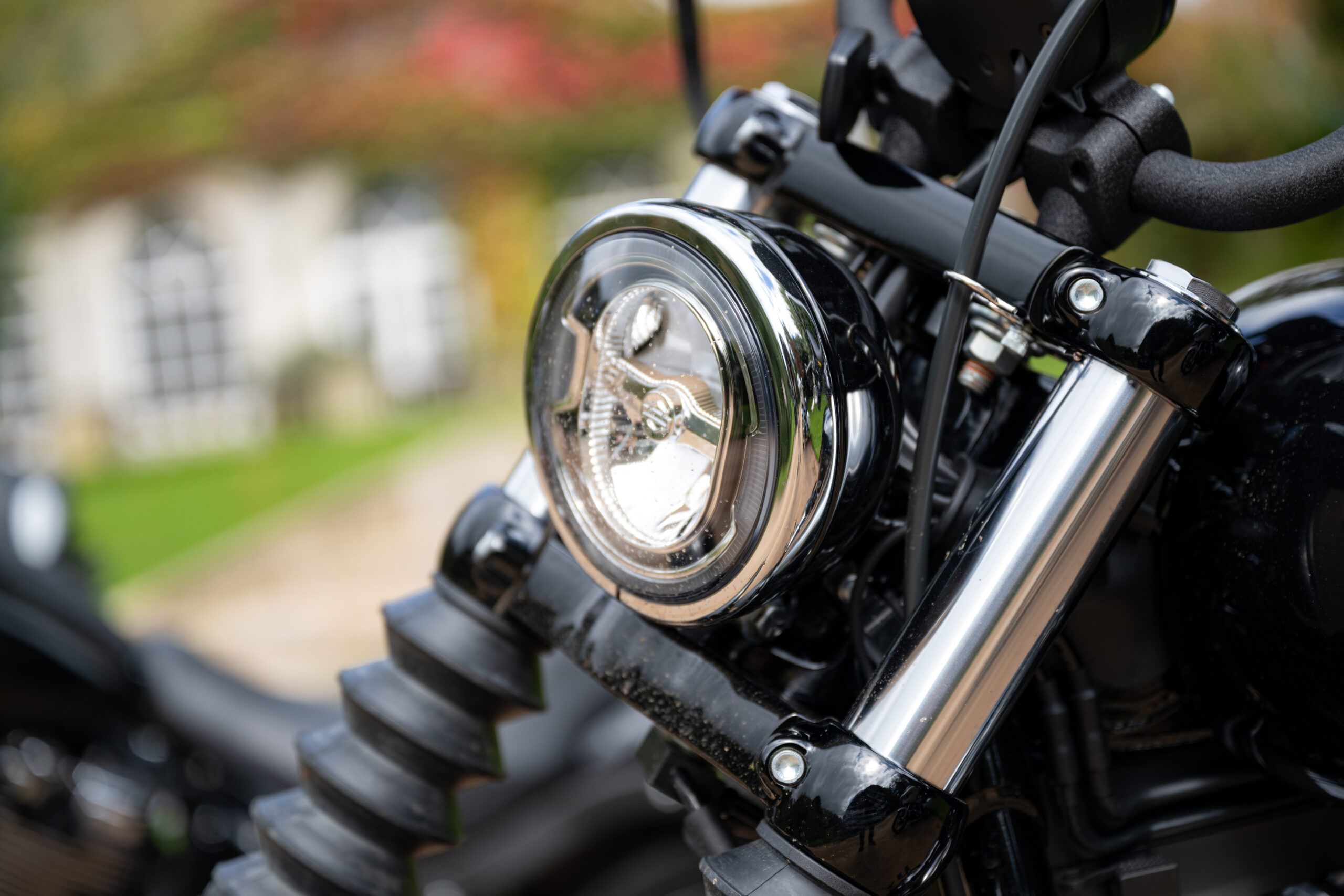
Jumping off the Breakout and onto the Street Bob was like switching from a heavyweight boxer to a street fighter. Narrow ’bars, mid-mounted controls and a stripped-back bobber aesthetic make it one of the leanest and most playful bikes in the range. It felt agile straight out of the carpark, darting into corners with a lightness the Breakout could only dream of.
The Milwaukee–Eight 117 Classic tune in the Bob is set up for a flat ter torque curve – 98hp and 120f t- lbs – delivered smoothly through a 2-into -1 system. On the road it’s responsive, punchy and makes commuting or weekend scratching a blast.
The only downside was ergonomics. At six-foot plus, I felt cramped, with a pinch in the hip setting in quickly. Smaller riders will love the compact triangle, but taller ones might look at forward controls or taller ’bars. Still, the grin factor was undeniable, it’s the sort of Harley you throw around without worrying about scraping chrome.
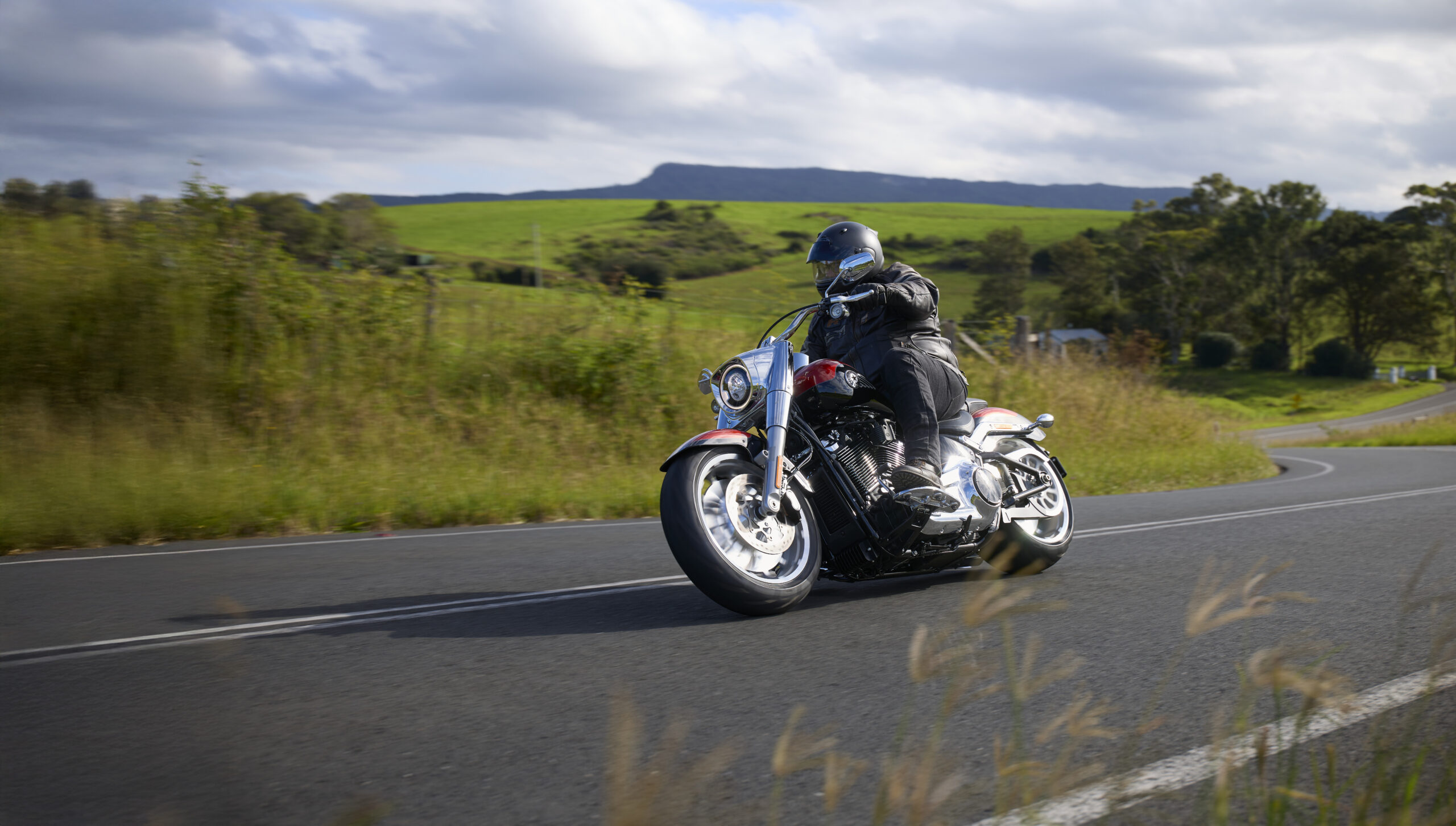
Then came the Fat Boy. Few bikes in Harley’s lineup carry as much cultural weight – think Arnie in Terminator 2: Judgment Day, think the poster that hung in a million garages. Throwing a leg over one is always a moment. For 2025 it gets the same Milwaukee-Eight 117 Custom as the Breakout, delivering that fat, muscular wall of torque: 104hp and 126ft-lbs. The sound is tuned deeper, richer and unmistakably Harley. Thumb the starter and it pulses with attitude.
The footboards give it a laid-back, comfortable stance, though I found myself wishing the seat pushed me back just an inch further. Steering is heavier than the other models. It’s not built for speed or agility; it’s built to cruise with authority. And with its bold paint and chromed muscle, it does exactly that.
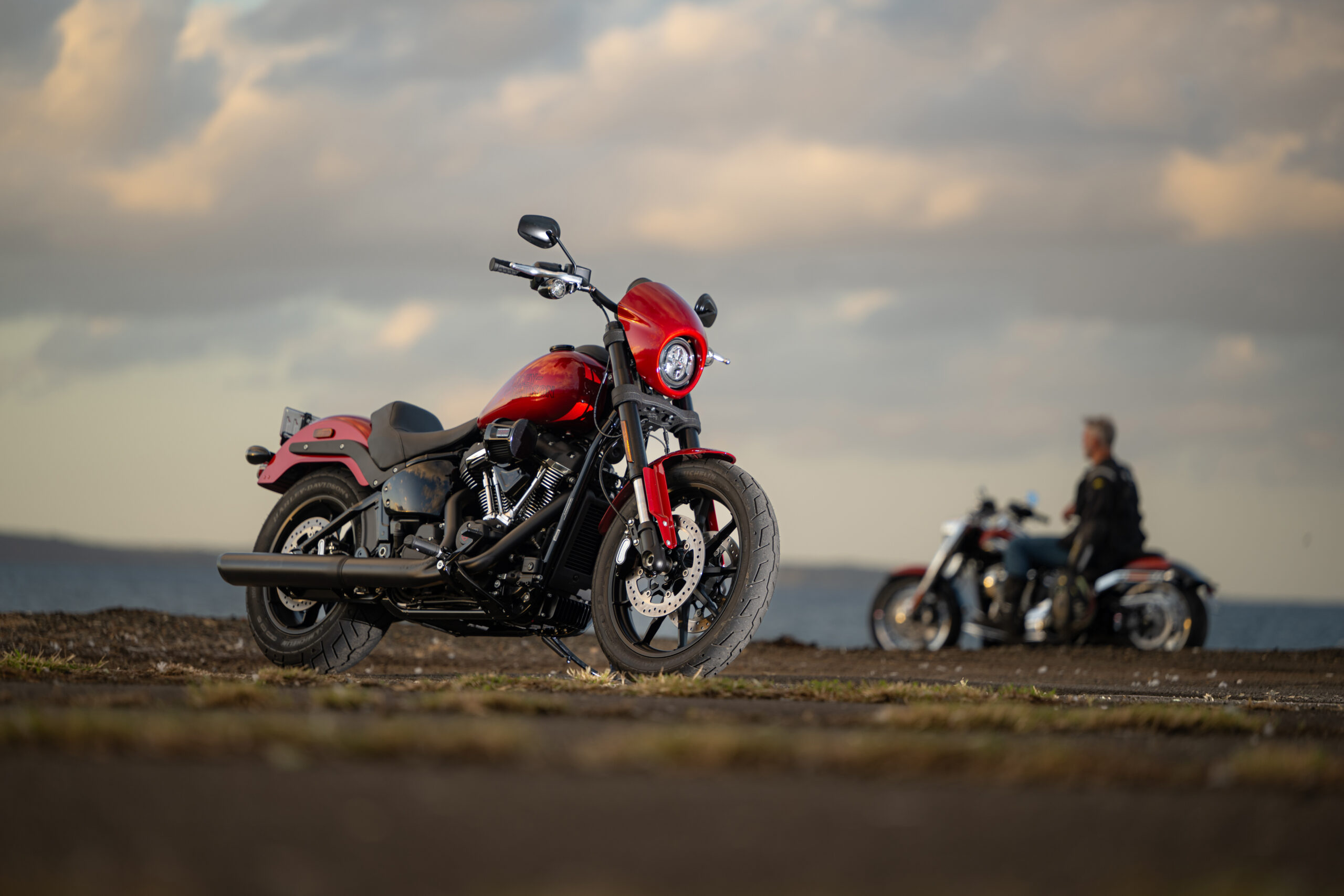
The Low Rider ST couldn’t be more different. With its frame-mounted mini-fairing, bags and High Output 117, it’s Harley’s performance cruiser and arguably the star of the show. In Sport mode, the throttle response is razor sharp. The revised motor pumps out 114hp and 120ft-lbs, with a torque curve that surges all the way to 5,000rpm. It feels faster than the numbers suggest, thanks to the aggressive mapping and heavy-breather intake. Even the stock exhaust has a snarl that sounds aftermarket-ready.
The ST’s handling surprised everyone. Ground clearance is generous, suspension is firm but composed, and you can really lean into corners with confidence. My only nitpick was the high footpegs, which made longer stints feel perched rather than planted. But as a performance cruiser, this thing is an animal, equal parts hooligan and long-distance hunter.
By mid-morning, after hours of bike swaps and photo passes, the Heritage Classic felt like an oasis. Upright ergos, wide ’bars, a natural seat, everything just clicked. If I had to pick one bike for a 500-kilometre day, this would be it. The 117 Classic motor is tuned for smooth, predictable delivery, plenty of shove without being aggressive.
Straight-rate springs front and rear soaked up bumps beautifully, especially on rougher country roads. The windshield provided decent protection, though I copped a bit of buffeting at highway speeds – two more inches of screen would’ve solved it. This bike is built for comfort and touring, and it shows. If Harley dropped the High Output motor in here, I’d be sold in an instant.
Rain mode softens everything, cutting torque and calming the throttle for slippery conditions. Road mode balances power and comfort for everyday use. But Sport mode is where the S shines, it becomes sharp, aggressive and alive. With the 117 High Output motor snarling beneath you, it feels like Harley built a musclebike dressed in cruiser clothes. Handling is sharp, suspension is taut and the riding experience lands right between raw fun and long-haul practicality.
For the first time, every Softail now comes with the full tech suite: ride modes, safety enhancements, LED lighting, USB-C ports and updated instrumentation. It’s Harley doing what it has always done, listening to riders and evolving without losing its soul.
THE TECHNICAL TALK
The beating heart of the Softails is the Milwaukee-Eight 117, now standard across the board. It comes in three tunes:
Classic (Street Bob, Heritage): 98hp, 120ft-lbs. Smooth, flat torque, ideal for relaxed riding.
Custom (Fat Boy, Breakout): 104hp, 126ft-lbs. Tuned for muscle, with a deeper exhaust note.
High Output (Low Rider S, ST): 114hp, 128ft-lbs. Sharper mapping, higher redline and more urgency.
All benefit from four-valve heads, oval intake ports and a new aluminium manifold adapted from Harley’s Touring and CVO models. Revised oil cooling keeps temperatures down, especially in traffic. Suspension upgrades are significant too. The move to straight-rate springs delivers immediate improvements: less dive under braking, better mid-corner stability and more predictable damping.
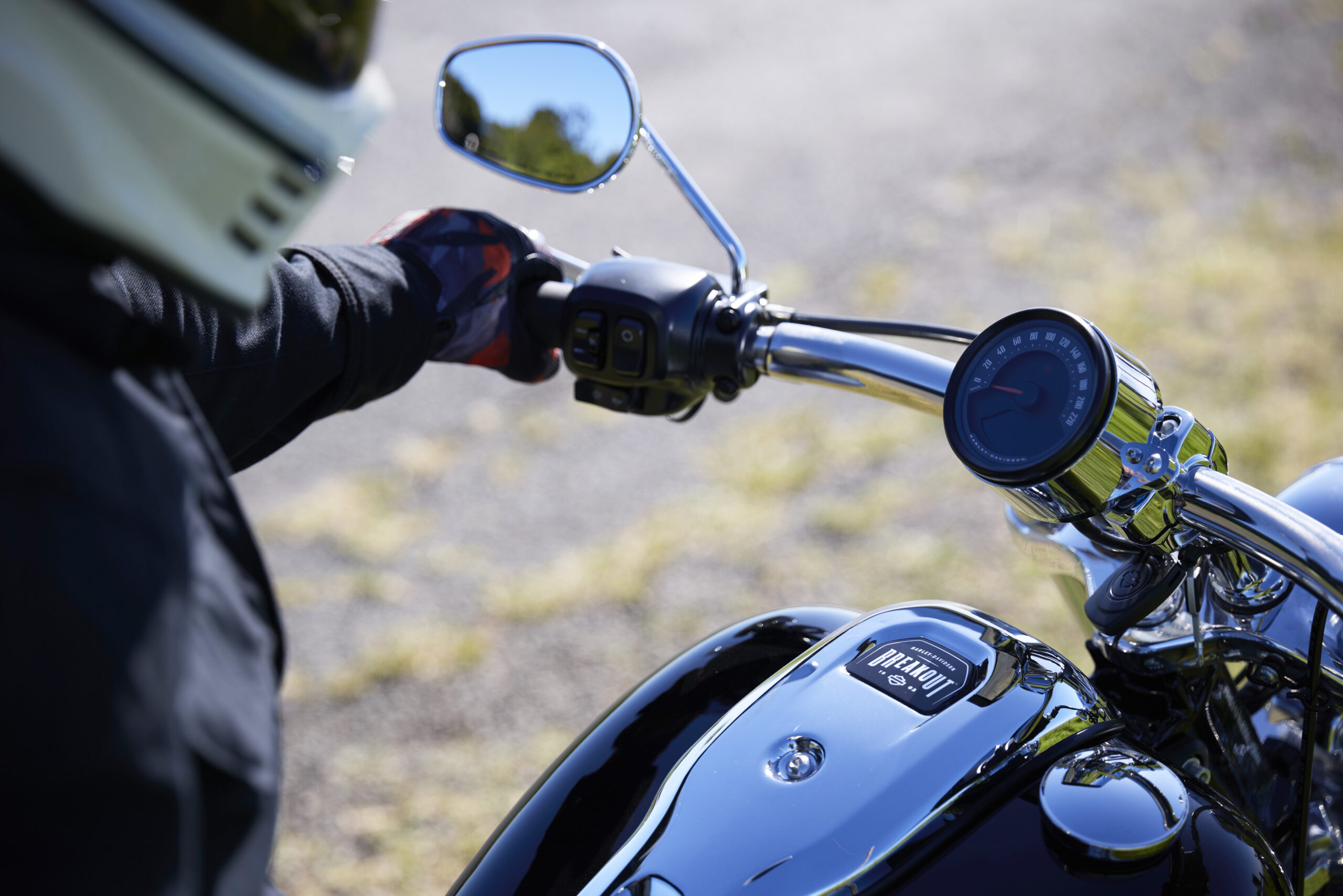
Instrumentation also takes a leap forward. The Heritage and Fat Boy get a 5-inch analogue/LCD combo, while the sportier models use a 4-inch digital pod. Both setups now display ride modes, gear position, and tyre pressure monitoring. And you can add LED lighting, tactile switchgear, cruise control and a USB-C port to the list, too.
The Breakout is your street-presence king, the Street Bob your urban scrapper. The Fat Boy carries the torch of Harley heritage, while the Heritage Classic offers genuine all-day comfort. For raw attitude, the Low Rider S is irresistible, but for outright thrills, the Low Rider ST is the benchmark. For me, the Heritage Classic and Low Rider ST were the standouts.
Bike test: Adam Cranstone Photography: Incite Images
Visit Harley-Davidson.com