Impacted by recent weather events? We are here to help.

Click here

Staying In Control

General Information · 03-12-2025

I trust that riders new and old, novice through to elite, will get something out of this education feature series. My hope is that every article gives you at least one idea you can carry into your own riding.

As well as being a learning tool for those starting out, this series can also benefit experienced riders who are helping to guide a beginner.

I may no longer be teaching full-time, but I honestly miss the work as an educator, trainer and mentor. That’s why I’m excited about this chance to keep sharing what I know. For those who already know me, you’ll understand my passion and commitment to the cause. For those who don’t, you’ll soon find out!

Building control

The first skill I want to address is a vital one: control. You need to become the controller of your bike, not the other way around. Control isn’t something you pick up overnight, it has to be built step-by-step and it’s the foundation for everything else you do on two wheels. The truth is, most crashes come back to a loss of control. And I say most, because the only ones out of your control are an act of God, those freak situations no amount of skill could prevent. When control disappears, the consequences are immediate: your confidence, your wallet and, in the end, your love for motorcycling all take a hit. And that’s why it matters more than anything else.

Control has to be built, and it’s built on a foundation of essentials. Over the years I’ve come to call them my top 10 musts: preparation, knowledge, attitude, patience, education, mechanical awareness, handling skills, roadcraft in both city and country, ongoing self-development and a mentor who knows both dirt and tar. Each one of these adds a unit of competence and together they give you control.

I’ll admit I’m a control freak on a motorcycle. By that I mean I take ownership of everything that happens to me on the road. That’s the attitude every rider needs to carry.

I’ve cursed other drivers, riders, mechanics and authorities plenty of times over the years, and at the time it felt justified. But looking back, that anger never made me a better rider. What did was learning that there’s only one person who will put me first, and that’s me. I’m responsible for everything that happens on my motorcycle, good or bad. That kind of honesty and discipline doesn’t come easy. It’s human nature to point the finger, especially when you’re in pain because of someone else’s mistake. But if you want to keep improving, you’ve got to reflect on your own performance and own it. Taking responsibility is the first real lesson in motorcycling.

Beyond the basics

For most newcomers, the big milestone is getting that licence. But here’s the reality: the licence only gives you the basics. It gets you and the motorcycle moving, nothing more. Too many riders treat it as the finish line when really it’s the start of a long road.

A proper riding life is a progressive pathway. At the start it’s about simple balance and throttle control, then it’s braking, cornering, slow-speed manoeuvres, wet riding, group riding and eventually higher-speed or long-distance work. Each step builds on the one before it, and if you try to skip stages you end up with holes in your skills that will catch you out when it matters most.

Real development takes years, not weeks. If you rush in with a “got to have it now” attitude and spend as little as possible on proper training, it’s going to cost you more in the long run. A good program can lift your skills quickly, but that progress has to be guided. That’s where a mentor comes in. And believe me, there are no shortcuts.

There’s one vital skill that almost never gets taught: grip. The feel of traction – knowing when you’ve got it, when you’ve lost it and what to do about it – is the foundation of control, but I am not aware of many places that teach it fully. What that means is that riders never get shown how to respond when traction breaks away. The ability to release a brake at the right moment, to roll on the throttle smoothly, to carry momentum through a slide – these are the moments that decide whether you stay upright or hit the deck.

Every rider on the road will lose traction at some point. It might be due to the environmental conditions – wet roads, gravel, oil or diesel – or the way a rider reacts to an emergency. Wet riding is the most common test of grip and it’s where I’ve seen the biggest difference between riders who’ve been shown what to do and those who haven’t.

When learners were shown the physics and given the chance to practice, they quickly gained the confidence to handle it. Without that guidance, most panic – and the control is lost. The skill isn’t complicated, but the difference between knowing and not knowing is massive. The most vital skill for riding a motorcycle is grip; the feel of grip, knowing when it’s there, when it’s gone and how to respond. Without it, all the other pieces fall apart. And until we fix that gap, riders will keep paying the price.

Education, training and mentoring will cost you money, but the bigger cost is your time. It means time taken from other commitments and that’s where many riders fall short. If you’re not disciplined, or not willing to invest in a proper training pathway, the cost will be even greater later on. That’s why patience needs to be built into every part of your motorcycling – without it you won’t find success.

Think about it this way: would you climb into a plane or a helicopter and just have a go without any training or a mentor alongside you? Of course, not. Yet too many newcomers do exactly that with a motorcycle, relying only on mates, social media, salespeople or basic licensing programs to show them the way. That blind trust scares me, because it leads straight to poor outcomes.

One of the biggest challenges we face in this country is driver culture. Attitudes toward motorcyclists in Australia are poor and I’ve never taken that for granted. At times I’d say it feels safer riding in parts of Asia than it does here.

That’s why developing roadcraft is so important. City and country riding are completely different worlds and you need to build the skills for both. If you’re on two wheels in Australia you need to be prepared. Two wheels still aren’t accepted here the way they should be and it’s up to us as riders to adapt.

Lifetime of lessons

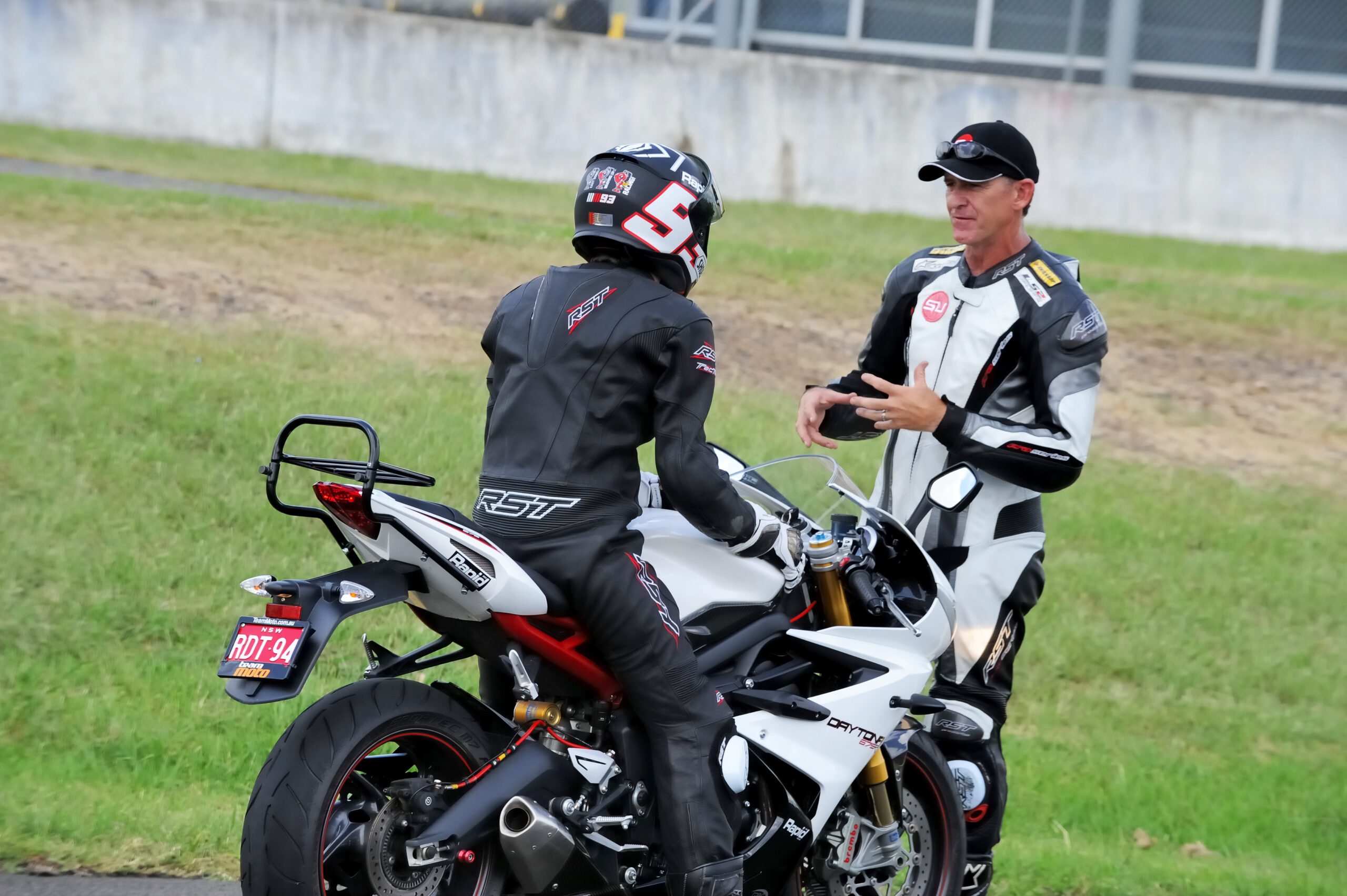
I was lucky. From an early age I had a mentor who shaped everything I became on two wheels. As well as being a brilliant rider, he was a mechanic, a competitor and one of Australia’s motorcycle sports legends, Tony Hatton. His knowledge came from his own father, who had passed it down before him. That made me the third generation in my family to ride and now my son makes it four. The lessons I learnt in those early years – what to ride, how to ride and where to ride – shaped the path I’ve been on ever since. Two wheels have always done it for me. I travelled, I competed, I pushed myself in every condition I could find.

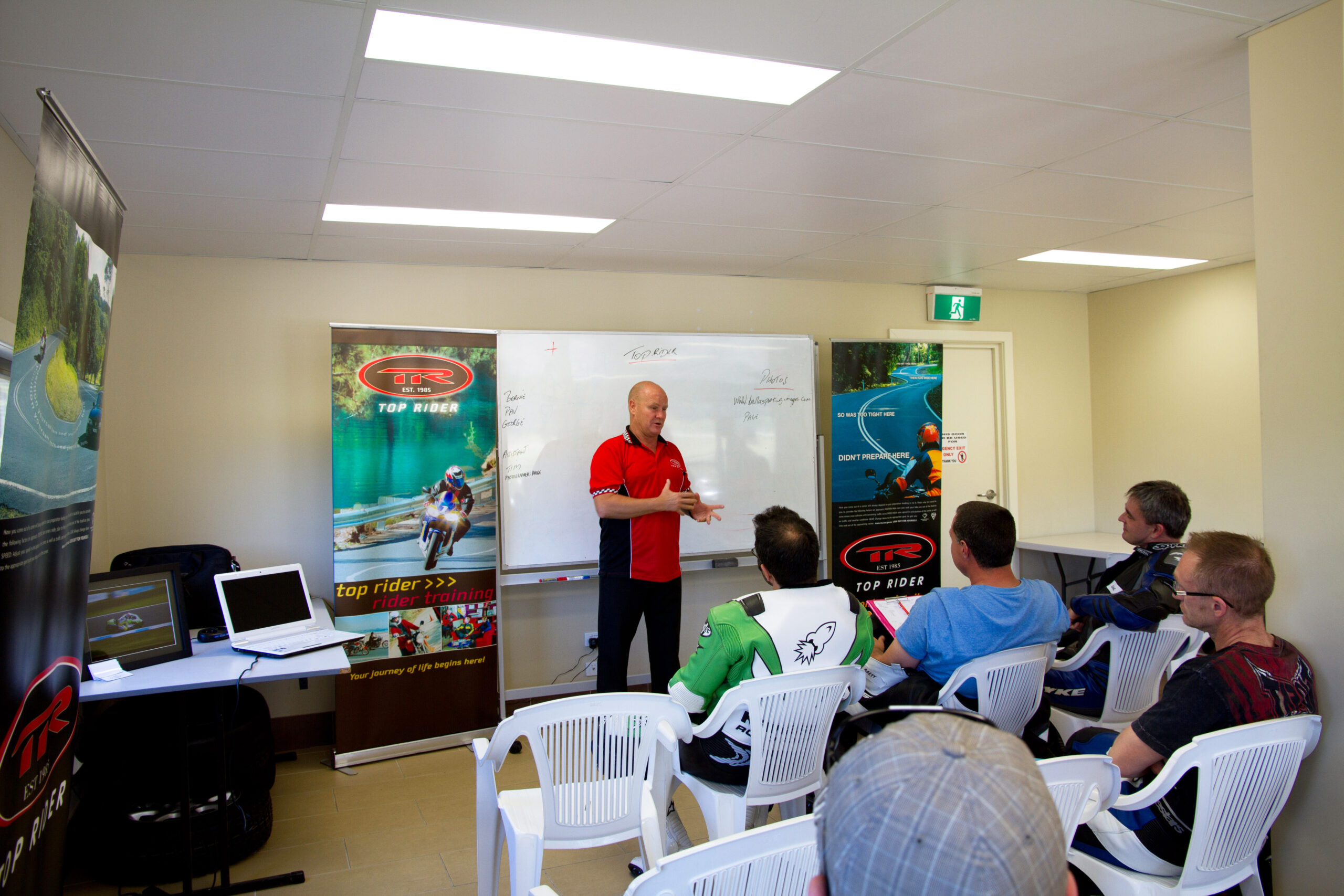
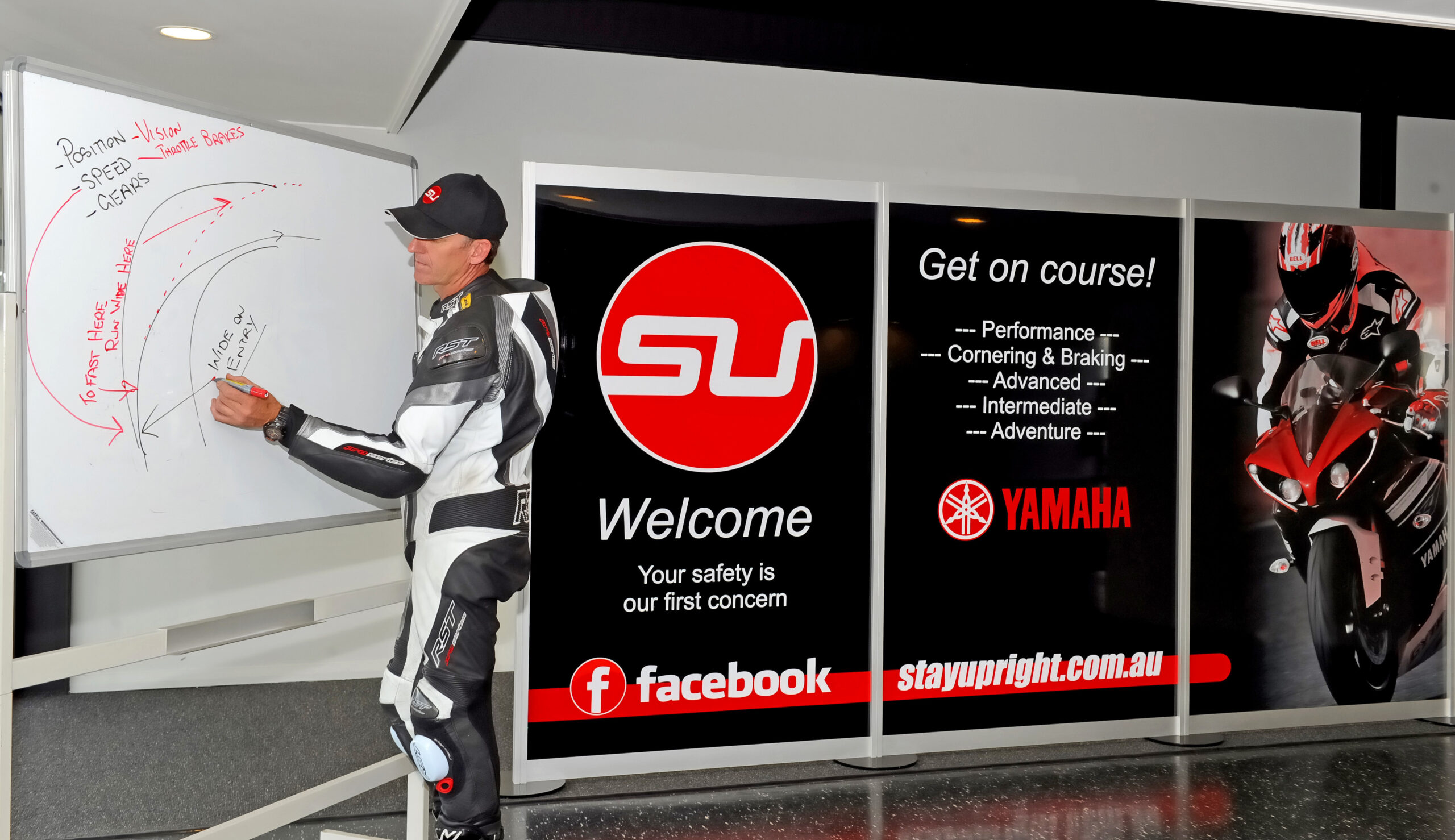
But it was the gaps in training and licensing that stood out. They weren’t giving riders what they needed and that drove me to create one of Australia’s leading motorcycle schools. I spent 37 years building it into a program that went far beyond the basics, and in that time we trained more than half a million riders across Australia and Asia. The program never stood still. We kept reviewing it, adjusting it to suit new bikes, new riders and new challenges – and I used the same program for learner, intermediate, advanced and elite riders.

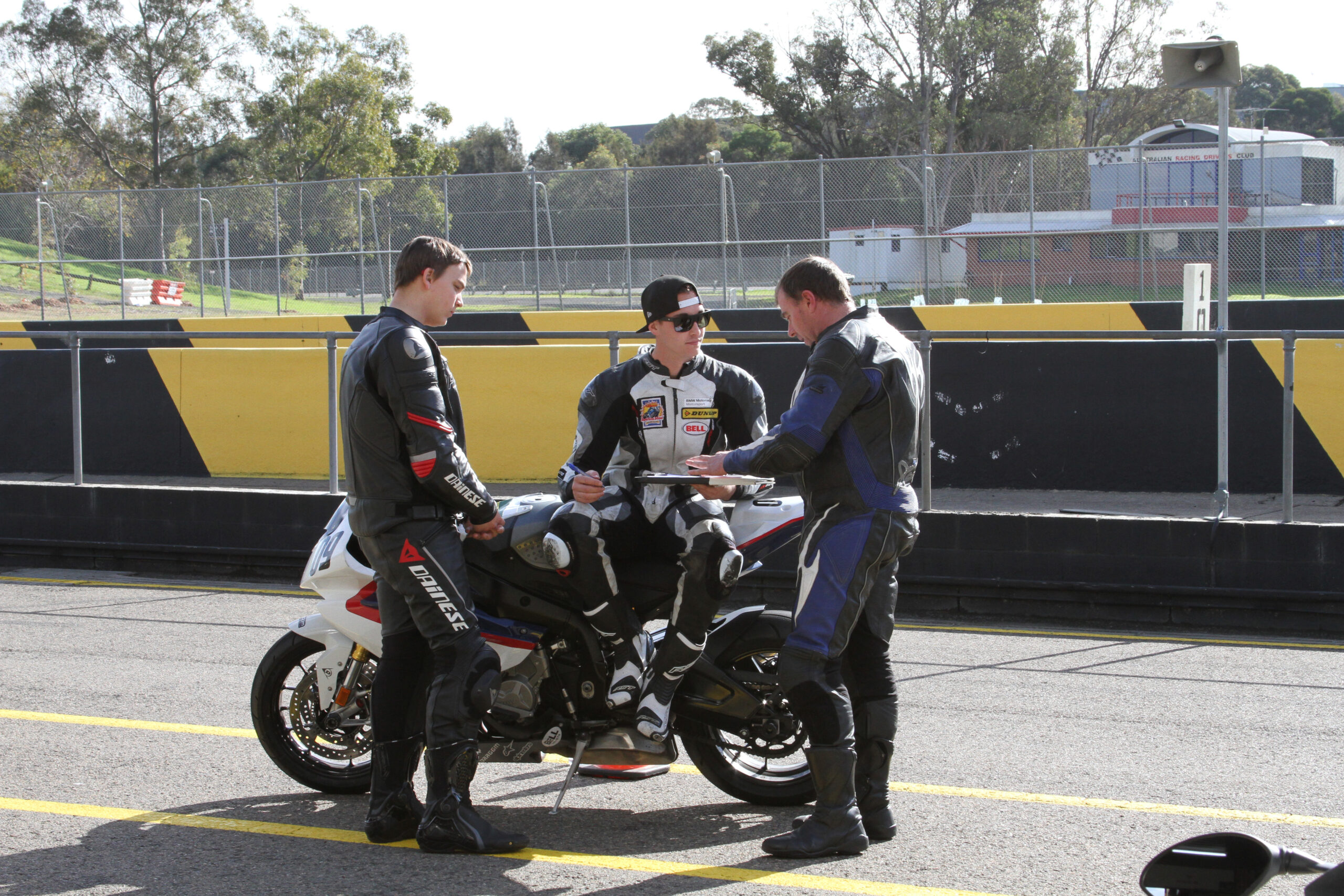
I learnt that there were more than 100 common mistakes made by motorcycle riders. In the end, it was easier to fix those gaps directly with the students than to try to influence bureaucrats who didn’t understand motorcycling in the first place. What kept me going was watching the progress. With the right plan, I saw complete novices turn into capable riders. Then I saw those same riders pass their skills on to partners, friends and their kids.

So, what causes the biggest loss of control? It’s not always the bike or the road – it’s the human. Riders struggle most with the simple stuff: being transparent, being honest, taking time to reflect, staying flexible and having the discipline to keep at it. Without those traits, all the training in the world won’t stick.

Looking ahead

My goal here is to give every rider the chance to build those qualities alongside their skills. Progress is possible for all of us if we’re willing to put in the work. Whether you’re a parent, a partner, part of the motorcycle industry or just starting out on your own, trust that what I write here comes from experience, passion and a commitment to making motorcycling safer and stronger. Development takes time, and I won’t leave a stone unturned in showing you what I’ve learnt. My promise is to keep it simple and to pass on the lessons that matter most. I’m looking forward to working alongside you all.

Words: Bernie Hatton

Photography: Heather Ware HMC Photography and JPMedia Services

Related articles