Bike Test: Royal Enfield Bullet 650
General Information · 16-09-2026
When I was asked to attend the launch of the new Royal Enfield Bullet 650, I agreed before I even had the full details. The Bullet name has been around for a long time, and the idea of riding the new version, now with the 650 twin, was enough to get my attention straight away.
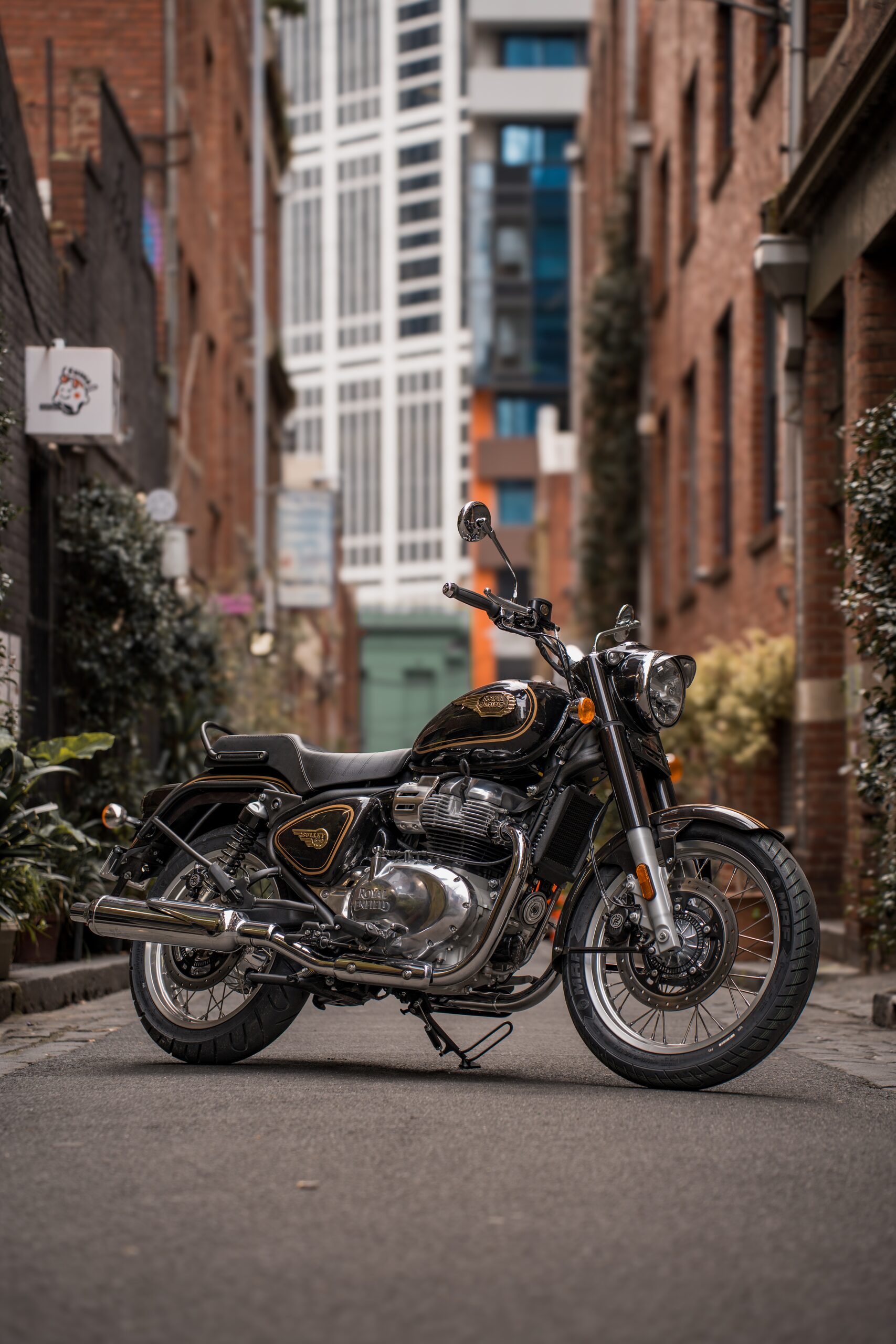
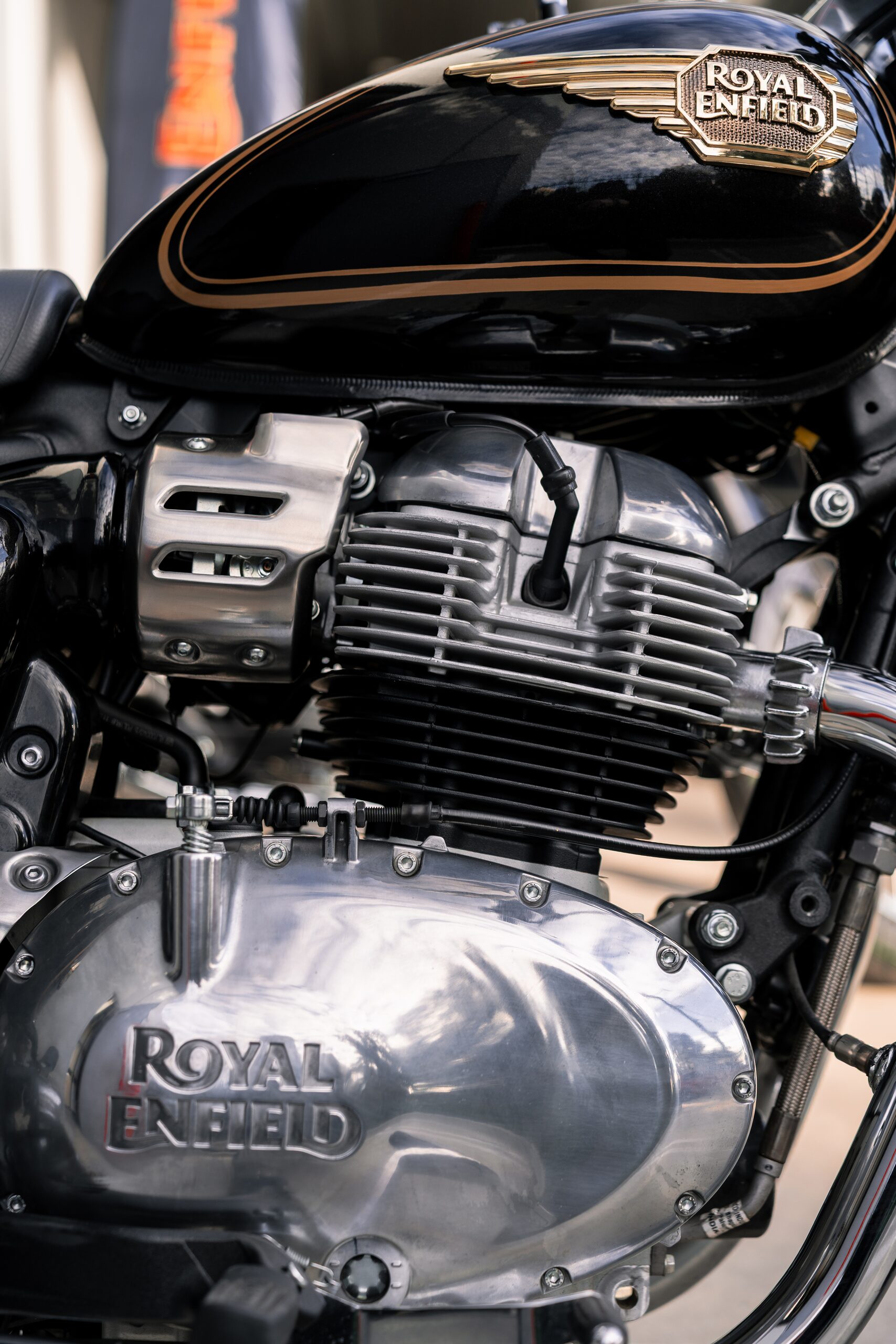
The first thing that struck me when I saw the line-up was the paint. The Bullet 650 comes in Battleship Blue and Cannon Black, with the black bike my personal favourite. Both bikes had hand-painted pinstripes, and the way the golden accents and gold flakes in the paint danced in the light was just unreal. Look closely and you can actually see the brush strokes, which I loved. It gives each bike its own fingerprint and a sense of uniqueness that feels rare in the modern bike world.
The styling is pure Royal Enfield. The chrome pipes, big front headlight and traditional shape make it look like it has been pulled from a time machine, but without feeling like it belongs in a museum. It looks simple, honest and old-school. The biggest difference from the old Bullet 500 or new Bullet 350 is obvious: the engine. The Bullet 650 uses Royal Enfield’s 650cc parallel-twin, which has already been used in many models. It is a familiar engine now, and in the Bullet it gives the bike a very different feel to the old, or new, single. Even through the stock pipes, the exhaust note is deep and throaty. It suits the bike perfectly. Not only does the Bullet 650 look like a classic bike, it sounds like one too.
Sitting on the Bullet, I noticed the riding position straight away. It is more upright and more engaged than a full cruiser, which makes it feel different to some of the other bikes in Royal Enfield’s line-up. The rider triangle works well, giving a comfortable position without feeling awkward, which becomes important once you spend a full day on the bike. On the road, the 650 engine gives the Bullet instant torque and enough power to make it easy to keep moving through twisty sections, something Bullet 350 owners in Australia long for, as the 350 doesn’t quite have the speed for highway riding.
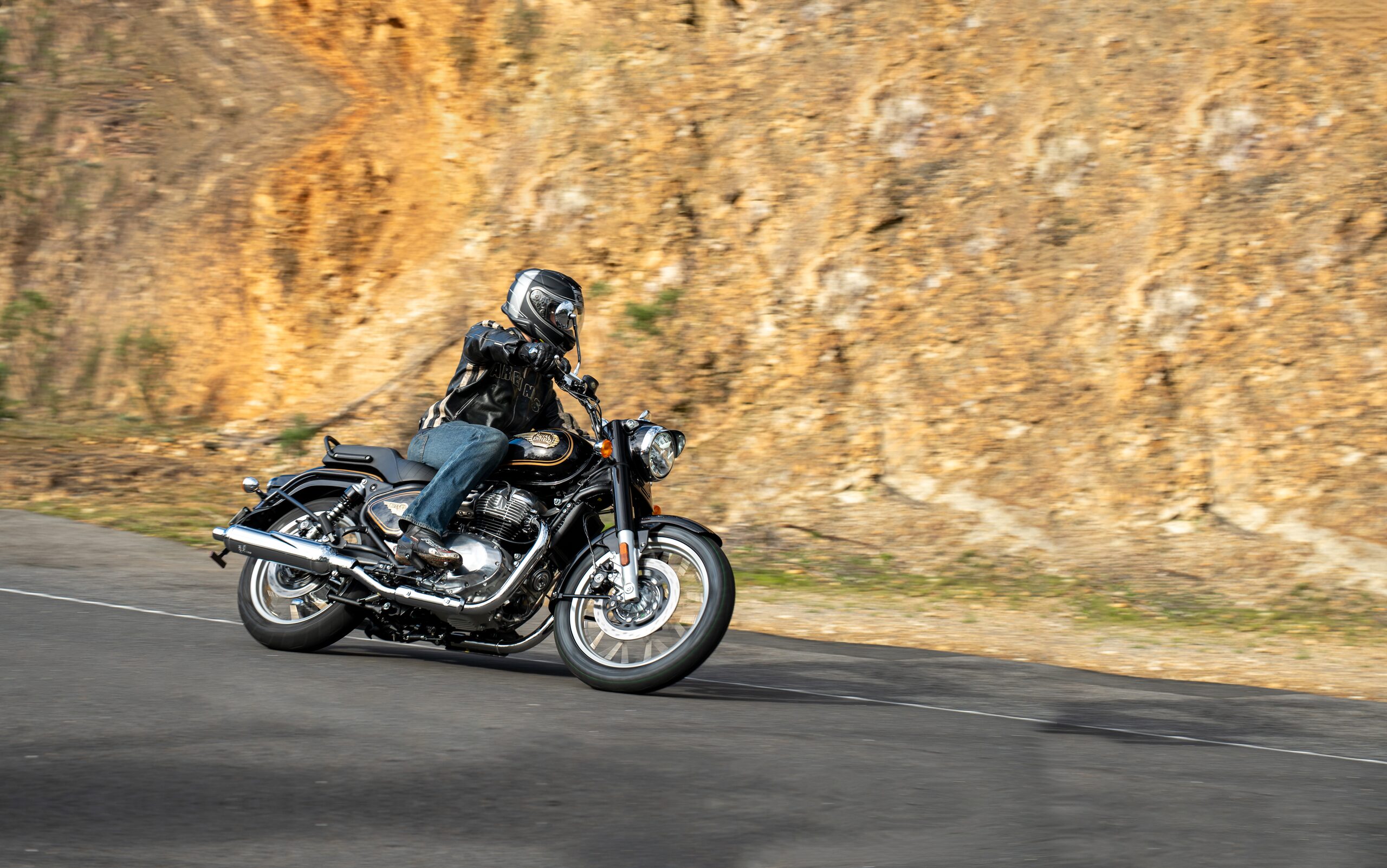
The Bullet is one of the longer bikes in Royal Enfield’s line-up, so I was interested to see how it would feel once the road got tighter. It still needs to feel stable on the highway, but also nimble enough in the corners. The Bullet 650 managed both better than I expected. It felt comfortable and settled on faster, open roads, while still letting me focus on the corners ahead rather than thinking about the bike underneath me.
On open roads, the Bullet 650 feels right at home. It has no problem getting up to highway speeds and sitting there comfortably at lower revs. The engine does not feel like it is working hard, and that makes the whole bike feel more relaxed. With its extra weight and longer wheelbase, I expected the Bullet to be better suited to open roads than tight city streets. That seemed like the obvious trade-off.
But once we headed into Melbourne, the bike handled the urban riding well. The torque helps offset the bike’s weight when taking off from traffic lights, and the adjustable levers make stop-start riding easy. The built-in Tripper navigation pod is also a smart touch. It gives directions without needing to mount a phone to the bike, which I think suits the Bullet perfectly. I was glad to say the Bullet 650 outperformed my expectations through tight corners and inner-city roads. It still feels like a bigger classic-style bike, but it does not feel out of place when the roads get tighter or the traffic gets heavier.
After a full day of riding, the biggest thing I noticed was that I was not sore. The seat has plenty of cushioning, and the riding position stopped me from hunching over and ending up with back or neck pain. Victoria’s roads can be compared to rocky-road chocolate, and riding all day on a bike that is not set up for bumps can become a pain (in the neck). The Bullet 650’s suspension handled some of the rougher roads well, taking the sting out of bumps without ruining the way the bike felt in corners. It is plush enough to keep the bike comfortable, but it does not feel like it gives away too much when you want to enjoy a winding road.
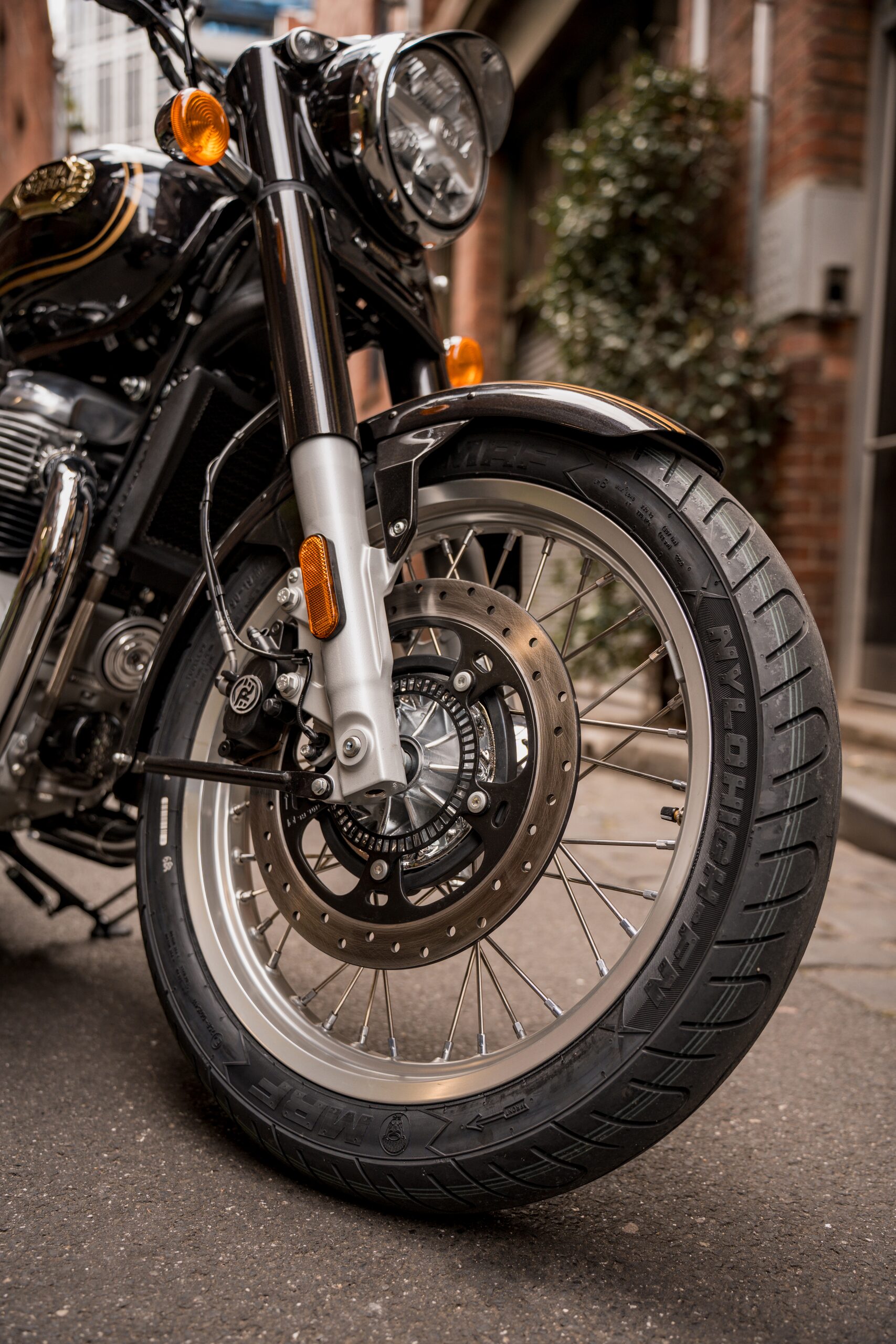
The brakes are also a major step forward from the old Bullet 500 and the new 350. With more power and more weight, better brakes are essential, and the Bullet 650’s ByBre brakes feel much more consistent. Stopping at red lights felt predictable and trail braking into corners was much easier to manage. Even under heavier braking, I did not notice any fade or sponginess.
Overall, the Bullet 650 made a strong impression. It keeps the classic look and feel that gives the Bullet its character, but adds the performance, comfort and braking needed to make it feel more modern and usable. I would recommend it to anyone who enjoys classic-style motorcycles, especially riders who want those hand-painted touches and old-school charm without giving up the benefits of a newer bike.
The Learner Approved Royal Enfield Bullet 650 is available in Battleship Blue from $10,990 ride-away, while Cannon Black, as we tested here, is priced at $11,190 ride-away. Both models include a three-year unlimited-kilometre warranty and three years of roadside assistance.
Visit royalenfield.com.au
Test: Axel Martin | Photography: Tom Fossati & Matt Hayman